
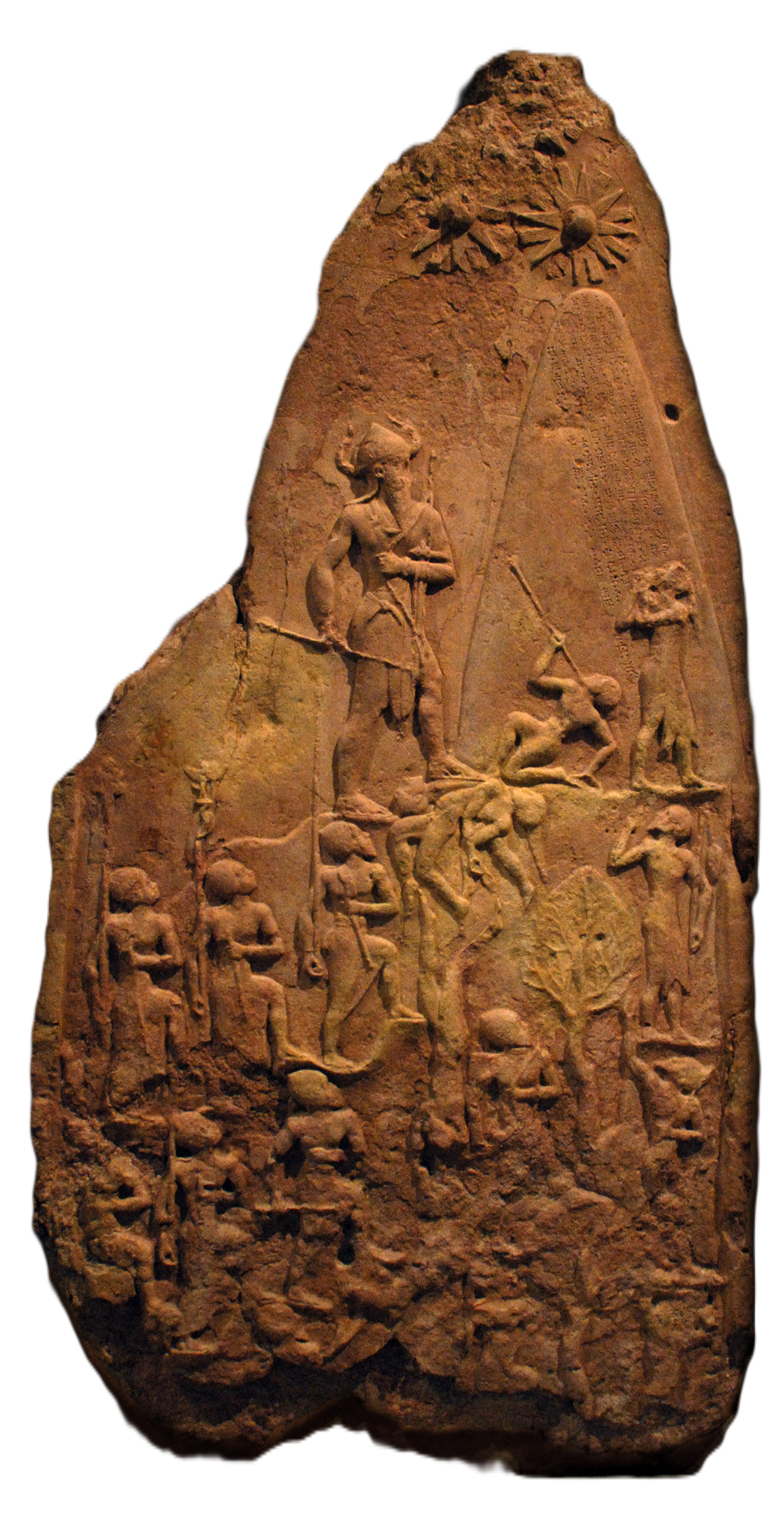
AKKAD, The Discovery of the Lost Imperial Capital
Akkad, also known as Agade, was the imperial capital of the Akkadian Empire, one of the great powers of the ancient world. From this city, a new model of kingship and empire emerged in Mesopotamia, shaping the history of the region for centuries. Yet despite its immense importance, Akkad became one of archaeology’s great lost cities. Its exact location was not securely known.
As part of the wider researches of The Jazur, and through full-landscape archaeological and historical field research across Babylonia—the land of Sumer and Akkad in southern Mesopotamia—we identified the location of Akkad and mapped its wider setting. This work also led to the identification of the surrounding lost Babylonian cities of Kazallu and Rapiqum, restoring part of a forgotten historical landscape.
Introducing the location of ancient Akkad—the lost imperial capital of the Akkadian Empire—identified through full-landscape archaeological and historical field research in southern Mesopotamia.
A Mountain of Gold
Why Akkad Matters
Akkad was not merely a city. It was the imperial center from which Sargon and his successors reshaped the political history of Mesopotamia. The Akkadian Empire created one of the earliest models of territorial empire, joining Sumer and Akkad under a new vision of kingship, administration, language, and power.
Why It Was Lost
Despite its central importance, the exact location of Akkad was never established in modern archaeology. Ancient texts preserved its memory, but the city itself disappeared from the visible map, leaving one of the greatest unresolved questions in Mesopotamian history.
The Caesar Victor Identification
As part of the wider research of The Jazur, Caesar Victor identifies the location of ancient Akkad through full-landscape archaeological and historical field research in Babylonia, the land of Sumer and Akkad. The identification is based on the convergence of geography, topography, settlement patterns, ancient textual memory, surrounding lost cities, and the wider historical landscape.
Revelation of The Map of Akkad
The maps, site data, field observations, and full argumentation will be released gradually as the research writings are published. This page introduces the discovery and its significance while opening the path for a staged presentation of the evidence, the surrounding landscape, and the wider historical case.